
3 Questions to Ask Yourself Before Your Next Deal - Part 1
How are you going to adapt to the softening real estate market? A half point in may, a three-quarter point in June, and even more to come in July have forced investor's to take a hard look at the deals they receive before pulling the trigger. However, it's easy to insulate yourself from changes in the market when you ask yourself the right questions up front. Over the next 3 weeks, we are going to discuss 3 important questions to know the answer to before getting your next property under contract.
- What does my financing really cost?
- What's my exit strategy?
- When should I look to buy?
What does my financing really cost?
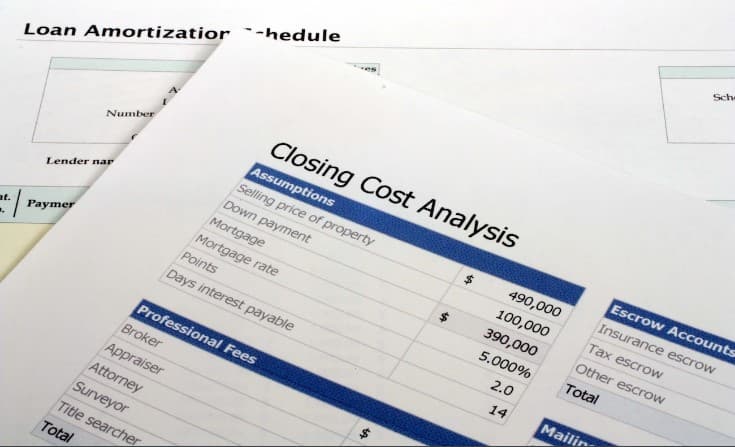
This is an important question that most investors assume has a simple answer, but many are blindsided when they get the bill and realize they didn’t fully understand what they were signing up for. For example, paying origination points can either be a great or terrible decision based on the expected lifetime of the loan. For a conventional 30-year mortgage, paying points up front can lead to a noticeable decrease in your monthly payments that makes the debt easier to pay long term. However, paying points on a hard money loan that you intend to pay off or refinance in 3 months can cost more than the rate itself. Each point is equivalent to 1% APR over the course of an entire year, but when that loan gets paid off in 6 months it effectively becomes 2% APR due to the fact that you can’t get back the money you paid up front. Hence, a 8% and 2 points loan paid off in 3 months turns those 2 points into an additional 8% APR over the 3 months you borrowed funds. Add prepayment penalties and other fees into the mix and it’s easy to see how a lack of understanding your financing can cost you thousands of dollars.
Financing isn't only important to think about on the day of closing. You must also plan based on how long you intend to hold onto the property. The longer you plan to hold onto a deal, the more time you need to spend planning. If I am buying a lipstick flip in a market that I know super well then I can afford to be lax in my planning, but when I choose to buy a short term rental property on the beach in California I should probably take more time to analyze the market, my financing, and how other deals or areas of my life could impact my finances. Real Estate investing isn’t always just about the deal you are working on, but instead an aggregation of all areas of your financial life.
For investors who like to keep their financing fast and simple, lenders like Bench Equity that charge a flat rate with no points or prepayment penalties are the clear choice. That type of loan leaves investors open to move quickly with the market because whether they sell in 2 months or extend the loan for over a year, they can sell at any time with the exact same financing costs. You can't see the future, and none of the gurus on Facebook can either. That's why it's crucial to use financing that allows you to be flexible when you go to sell your property. We have had multiple investors decide to hold on to their fix and flip properties long term after seeing the recent changes in the housing market, and they would be stuck paying points for their extension fees if they hadn't gotten their financing from a lender like Bench. No matter what lender or financing structure you choose, make sure you have a clear understanding of every cost associated with your loan before you sign the dotted line.